03 November 2026
Sewer Line Repair Services for Drain and Sewer Problems
Presented by @juliustkpr524
Drain and sewer problems rarely stay small for long. A sink that drains slowly, a toilet that acts up repeatedly, or wastewater that seems to back up at the worst possible time can put a property owner in a difficult spot fast. When those symptoms trace back to the sewer line, the issue usually calls for more than a basic drain cleaning appointment. It takes judgment, proper diagnosis, and the kind of hands-on experience that separates a routine service call from a true repair strategy.
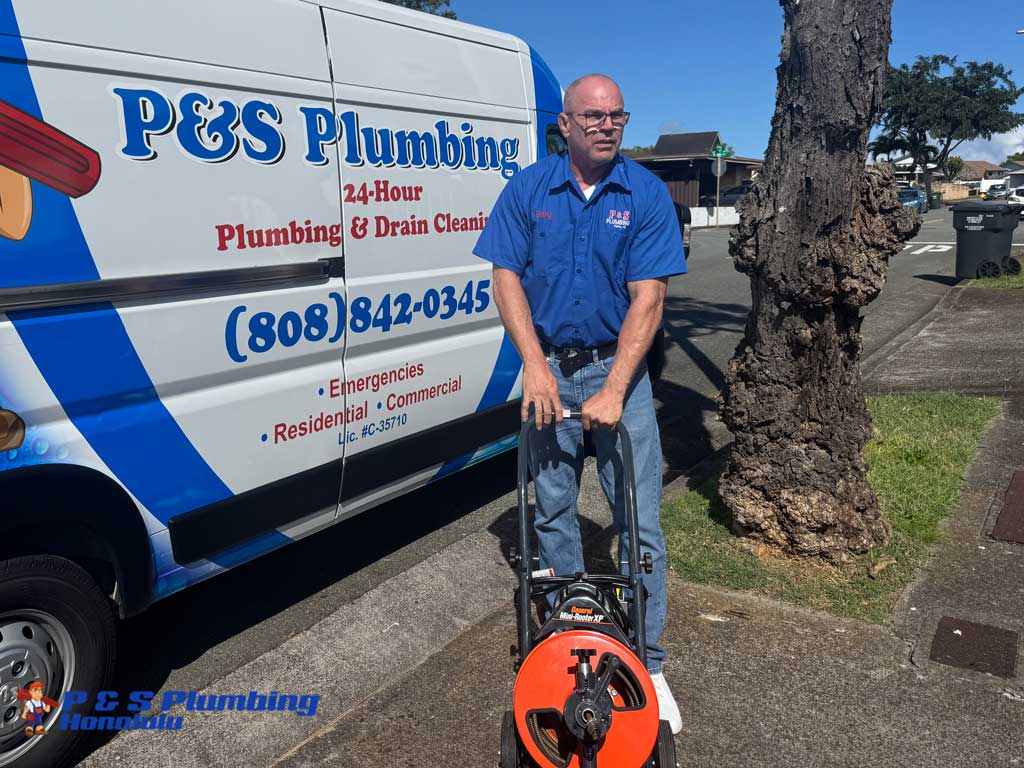
For homeowners and property managers in Hawaiʻi, that judgment matters even more because plumbing work is regulated. Hiring a licensed professional is not just a good idea, it is part of protecting your property and avoiding avoidable mistakes. Hawaiʻi guidance makes clear that electrical and plumbing contractors must employ licensed plumbers and electricians to perform the actual work, and consumers are advised to verify the contractor’s name and license number before hiring. That point deserves emphasis, especially when people search online for a plumber near me during a stressful backup or overflow.
Sewer line repair sits at the intersection of diagnosis, code awareness, and practical field work. It often overlaps with other services people may already know, such as leak detection, drain cleaning, or emergency plumbing. In some cases, it may even be part of a broader service relationship with a residential or commercial plumber who already handles the rest of emergency plumber the licensed plumber property’s plumbing system. The real challenge is knowing when a simple clog is just a clog, and when the symptoms point to something deeper in the line.
When a drain problem becomes a sewer line problem
Many property owners first notice trouble in the most ordinary way. Water drains more slowly than usual. A toilet may need more than one flush. A shower or floor drain may not clear as quickly as it should. At that stage, some problems do turn out to be isolated clogs. A local fixture drain can absolutely be the whole story. That is why careful diagnosis matters.
The concern rises when problems show up in more than one place, or when the issue keeps returning after an initial fix. A single slow sink often suggests one kind of problem. Several plumbing fixtures struggling at roughly the same time may suggest another. That is where sewer line repair enters the conversation. It is not always the answer, but it is often the question a seasoned plumber will want to investigate.
In the Hilo area, plumbing companies commonly advertise sewer camera inspections, drain clearing, leak detection, and sewer line repair together. That combination says something useful. These services are related because drain and sewer complaints often overlap at the symptom stage. To the property owner, it all looks like “the drain isn’t working.” To the trained eye, the next step is figuring out whether the problem sits at the fixture, in a branch line, or in the sewer line itself.
That distinction saves time and money. It also prevents the common cycle where a property owner keeps scheduling the same basic service for a problem that keeps coming back. If the issue is actually in the sewer line, the right approach may involve inspection, repair planning, and in some cases permit considerations, rather than another round of surface-level clearing.
Why diagnosis comes before repair
Good sewer line work starts with restraint. A competent plumber does not begin by guessing. They begin by narrowing the possibilities. Public business listings and Hilo-area plumbing service pages frequently mention sewer camera inspections, and there is a practical reason for that. A visual inspection method can help determine whether a sewer line repair is even needed before more invasive work is considered.
That matters because not every drain complaint points to damaged piping. Some issues are operational and straightforward. Others are persistent because the blockage or failure is farther down the system. The customer may only notice symptoms at the fixtures, but the underlying problem can be elsewhere. Diagnosis bridges that gap.
Experience also helps when symptoms are mixed. A homeowner may call for an emergency plumber because of a backup, then learn that the immediate stoppage is tied to a larger sewer concern. Another person may think they need only drain cleaning, but the repeat nature of the problem suggests something more serious. The skill is not in offering every service under the sun. The skill is in knowing which service matches the facts on site.
In practice, that often means a plumber asks pointed questions before promising a solution. Which fixtures are affected. Has it happened before. Did a previous service clear it completely or only temporarily. Is the property residential or commercial. Those details shape the next move. Fast action is important, but fast guesses are expensive.
Repair work in Hawaiʻi is not a casual side job
One of the biggest mistakes property owners make is treating sewer line work like a handyman-level task. Hawaiʻi does not treat plumbing that way, and neither should consumers. Plumbing work is regulated by the Department of Commerce and Consumer Affairs through the Board of Electricians and Plumbers. Licensed plumbers must meet state licensing and renewal requirements, including continuing competency requirements for active PJ and PM licenses.
That regulatory framework matters for sewer line repair because this is not cosmetic work. It affects sanitation, property function, and potentially code compliance. Hawaiʻi guidance also advises consumers to verify the contractor’s name and license number before hiring. That advice becomes especially important during urgent situations, when stress can push people into quick decisions.
There is another local wrinkle worth understanding. Hawaiʻi County code states that some plumbing maintenance by a licensed plumber may still require a permit when the work involves repairing, replacing, or rearranging valves or pipes. Sewer line work can quickly move into that territory, depending on what the actual repair requires. A property owner should not assume that calling the work “maintenance” makes permit issues disappear.
That is one reason experienced contractors tend to speak carefully at the beginning of a sewer job. Until the problem is diagnosed and the needed work is defined, no honest professional should oversimplify the scope. A proper evaluation tells you not only what is wrong, but also whether the work triggers permit or code considerations.
The role of emergency response
Some sewer problems can wait a day or two for a scheduled visit. Others should not. Public information from Hawaiʻi County’s Department of Water Supply includes a Hilo baseyard and water emergency presence, which underscores a larger point about utility-related urgency in the area. While county emergency functions are not the same thing as private sewer repair service, the local context does reinforce how quickly water-related problems can demand attention.
A private Hilo plumber offering emergency service is often the first call when sewage or drainage problems interrupt normal use of the property. Hilo-area plumbing pages commonly advertise emergency service for that reason. The urgent part is not just inconvenience. A sewer-related failure can stop bathrooms, interfere with kitchen use, and make parts of a property difficult to use until the problem is controlled.
Still, emergency response is only the first phase. Stabilizing the situation is not the same as solving the full issue. An emergency visit may identify the immediate cause, restore short-term function, or recommend additional sewer line repair work after inspection. That is why the best emergency plumbing service is not just quick, it is disciplined. Speed matters, but accuracy matters more once the immediate crisis is contained.
Sewer line repair is often part of a wider plumbing relationship
Customers do not always realize how often sewer work connects to other plumbing services. A company that handles sewer line repair may also be the same plumber called for leak detection, water heater repair, or general fixture work. In Hawaiʻi business listings and Hilo-area service pages, those categories appear side by side: drain clearing, leak detection, water heater repair, solar water heater repair, sewer camera inspections, sewer line repair, and commercial plumbing.
That overlap is useful for customers because plumbing systems do not fail in neat categories. A property owner may first call about no hot water and later need help with a drain backup. They may hire a contractor for solar water heater repair or standard water heater repair, then turn to the same team when a sewer problem appears. The advantage is continuity. A plumber who already knows the property can often place new symptoms in context more quickly.
The same logic applies in commercial settings. A commercial plumber is often managing a broader mix of service demands across a building or site. Sewer issues in a commercial property can be especially disruptive because they affect operations, staff, customers, or tenants. Even without making claims about specific building types, it is fair to say that downtime tends to cost more when multiple occupants depend on the plumbing system.
What property owners should ask before approving work
When sewer line repair is on the table, the best customer questions are direct and practical. You do not need to perform the diagnosis yourself, but you do need enough clarity to understand what you are authorizing.
Ask what evidence points to the sewer line rather than a local fixture clog. Ask whether inspection has already been done or still needs to happen. Ask whether the work may require permit review based on the repair scope. Ask who will perform the work, and verify that the contractor uses licensed plumbers for the actual plumbing work, as Hawaiʻi requires. These questions are not confrontational. They are basic due diligence.
It also helps to understand that “repair” is a broad word. In some cases, the needed work may be limited. In others, the plumber may need to explain a larger correction. The key is not to force a one-size-fits-all answer. Sewer problems vary, and good contractors explain the trade-offs rather than pretending every job is identical.
One useful habit is to write down the pattern of symptoms before the appointment. The time of day, which fixtures are affected, whether the issue is constant or intermittent, and whether previous clearing attempts held up can all help the plumber make sense of what they see. Customers sometimes underestimate how valuable that history can be.
Choosing a plumber in Hilo without relying on guesswork
The phrase plumber near me is understandable when you need help quickly, but proximity alone is not enough. Sewer line repair is exactly the kind of work where qualifications matter more than a fast ad or a catchy promise. Hawaiʻi consumers are specifically advised to verify the contractor’s name and license number before hiring. That should be standard practice, not a last resort.
State contractor-license listings also show that Hilo has plumbing contractors operating with classifications that relate directly to this type of work, including C-37 plumbing contractor and C-43 sewer, sewage disposal, drain, and pipe laying classifications. That detail is important because it reminds customers that sewer-related work is a defined specialty area, not just an add-on label.
A reliable Hilo plumber should be able to communicate clearly about the nature of the problem, the likely next step, and whether the work falls into repair, inspection, maintenance, or a larger scope. The right choice is not always the company that says the most. It is usually the one that can explain the least uncertain path forward without overpromising.
Residential and commercial expectations are not always the same
A homeowner usually experiences sewer line problems in personal terms. The bathroom will not function properly. The kitchen sink is unreliable. Daily routines get disrupted. The focus is immediate livability.
A commercial customer often sees the same issue through a broader operational lens. A commercial plumber may be asked not only what failed, but also how the work will affect occupancy, access, scheduling, or business continuity. Even when the underlying plumbing issue is similar, the service approach can differ because the stakes are organized differently.
That does not mean one setting is more important than the other. It means sewer line repair is never just a technical problem. It is also a use-of-property problem. Good plumbers understand both sides of that equation. They know the line has to be fixed, but they also know the customer needs a realistic picture of what comes next.
The value of connected services
There is a practical reason plumbing companies often group services such as leak detection, drain cleaning, sewer line repair, water heater repair, and solar water heater repair under one umbrella. Problems do not wait politely for business hours or stay inside one category. A customer may start with a slow drain, discover a sewer issue, and later need unrelated plumbing work handled by the same provider.
For the customer, that can simplify communication. For the contractor, it can improve continuity. If a service company already handles your property’s ongoing plumbing needs, they may be better positioned to recognize whether a sewer symptom is new, recurring, or tied to a known history. That kind of continuity does not replace proper diagnosis, but it often improves it.
At the same time, customers should not assume that broad service menus guarantee depth in every area. Sewer line repair deserves focused attention. The fact that a company also advertises water heater repair or solar water heater repair may be convenient, but the deciding factors remain licensing, diagnosis, and local code awareness.
A careful approach usually saves money over time
Many people worry that thorough sewer diagnosis will cost more than a quick fix. Sometimes that is true in the short term. It is not always true over the life of the problem. Repeated temporary work on a recurring issue can add up fast, especially when the root cause never gets clearly identified.
That is why a disciplined service path often serves the customer better. First, determine whether the problem is isolated or system-wide. Then identify whether the sewer line is actually involved. Then define the repair scope and any permit or licensing considerations. That may sound methodical, but methodical is exactly what you want when the issue affects a core plumbing function.
There is also peace of mind in knowing the work is being handled within Hawaiʻi’s licensing framework. Sewer and drain problems create enough uncertainty on their own. Customers should not also have to wonder whether the person doing the job is authorized to do it.
What solid sewer service really looks like
At its best, sewer line repair service is not dramatic. It is clear, competent, and grounded. The plumber evaluates the complaint rather than guessing. They distinguish between a simple drain issue and a deeper sewer problem. They explain whether a sewer camera inspection or another diagnostic step is appropriate. They perform the actual plumbing work through licensed personnel, as Hawaiʻi requires. They stay alert to whether the job may trigger permit requirements under county rules.
That standard may not sound flashy, but it is what protects properties and budgets. Sewer problems create urgency, and urgency often tempts people to chase the fastest promise. In practice, the better path is to choose a qualified plumber who can connect the symptoms, the regulations, and the repair plan without shortcuts.
For homeowners and businesses in Hilo, that means looking past search terms and focusing on substance. Whether you need an emergency plumber, routine drain cleaning, targeted leak detection, or a larger sewer line repair, the right service begins with licensed expertise and honest diagnosis. That is what turns a messy plumbing problem into a manageable repair.
Name: P&S Plumbing Hilo
Address: 879 Manono St B, Hilo, HI 96720, United States
Phone: 808-935-3892
Website: https://www.psplumbinghawaii.com/locations/hilo/
Email: [email protected]
Hours:
Sunday: Open 24 hours
Monday: Open 24 hours
Tuesday: Open 24 hours
Wednesday: Open 24 hours
Thursday: Open 24 hours
Friday: Open 24 hours
Saturday: Open 24 hours
Time zone: Hawaii-Aleutian Time
Open-location code / Plus code: PW6J+35 Hilo, Hawaii, USA
Map/listing URL: https://www.google.com/maps/search/?api=1&query=Google&query_place_id=ChIJ4Wwh4jGFTIQRdIh8RLXElbM
Embed iframe:
Socials:
https://web.facebook.com/psplumbinghilo/
https://www.instagram.com/psplumbinghilo
https://ph.pinterest.com/psplumbinghilo/
https://x.com/psplumbinghilo
https://www.linkedin.com/in/psplumbinghilo
P&S Plumbing Hilo provides plumbing services from its Hilo location on Manono Street.
The official Hilo page lists plumbing support for Hilo and surrounding communities, with Hilo phone service available at 808-935-3892.
P&S Plumbing provides residential plumbing, commercial plumbing, drain cleaning, sewer-line service, water heater work, plumbing repairs, leak detection, fixture repair, bathroom plumbing, kitchen plumbing, and emergency plumbing support.
The official contact page lists the Hilo location at 879 Manono St, Unit B, Hilo, HI 96720.
The company’s official site lists Hawaii State License Number CT-35710 and describes P&S Plumbing as licensed and insured.
Customers can contact P&S Plumbing Hilo for clogged drains, sewer-line concerns, water heater service, plumbing leaks, fixture repairs, toilet issues, kitchen plumbing, bathroom plumbing, commercial plumbing, residential plumbing, and urgent plumbing requests.
For plumbing service in Hilo and East Hawaii, call 808-935-3892 or visit https://www.psplumbinghawaii.com/locations/hilo/
The supplied public map listing uses plus code PW6J+35 Hilo, Hawaii, USA and can help customers find P&S Plumbing Hilo near Manono Street.
Popular Questions About P&S Plumbing Hilo
What does P&S Plumbing Hilo provide?
P&S Plumbing Hilo provides plumbing services for residential and commercial customers, including drain cleaning, sewer and drain service, water heater service, plumbing repairs, fixture repair and installation, leak detection, bathroom plumbing, kitchen plumbing, and emergency plumbing.
Where is P&S Plumbing Hilo located?
The official contact page lists the Hilo location at 879 Manono St, Unit B, Hilo, HI 96720.
What phone number should Hilo customers call?
The official website lists Hilo phone number 808-935-3892.
What is the email address for P&S Plumbing Hilo?
What are P&S Plumbing Hilo’s hours?
The listing hours show P&S Plumbing Hilo as open 24 hours a day, seven days a week, Hawaii-Aleutian Time. Customers should call 808-935-3892 to confirm service availability for urgent needs.
Is P&S Plumbing licensed?
The official Hilo page lists Hawaii State License Number CT-35710. Customers can confirm license status directly with the relevant Hawaii licensing authority before hiring.
Does P&S Plumbing Hilo offer emergency plumbing?
Yes. The official Hilo page references emergency services, and the supplied listing shows 24-hour availability.
Does P&S Plumbing Hilo handle water heaters?
Yes. P&S Plumbing’s official site lists water heater repair and installation services, including service for the Big Island and Hilo.
What areas does P&S Plumbing serve from Hilo?
The official site lists service for Hilo and surrounding areas, with broader P&S Plumbing service across the Big Island and Oahu.
How do I contact P&S Plumbing Hilo?
Call 808-935-3892 or visit https://www.psplumbinghawaii.com/locations/hilo/. Social profiles: Facebook, Instagram, Pinterest, X, and LinkedIn.
Landmarks Near Hilo, HI
Manono Street: The street listed for P&S Plumbing Hilo and a practical reference point for the Hilo location.
Kamehameha Avenue: A major Hilo waterfront route connecting downtown, commercial areas, and local service corridors.
Hilo Bayfront: A central Hilo waterfront landmark near downtown businesses and residential areas.
Downtown Hilo: A major East Hawaii business, civic, and residential district served by local plumbing contractors.
Hilo Farmers Market: A well-known downtown Hilo landmark and local reference point.
Hilo Harbor: A major commercial harbor and industrial-area landmark near Hilo service routes.
Prince Kūhiō Plaza: A major Hilo shopping landmark near residential and commercial areas.
University of Hawaiʻi at Hilo: A major education landmark serving the Hilo area.
Hawaiʻi Community College: A local education landmark near central Hilo routes.
Hilo International Airport: A major East Hawaii transportation landmark near commercial and residential service areas.
Liliʻuokalani Gardens: A well-known Hilo park and waterfront landmark near Banyan Drive.
Banyan Drive: A recognizable Hilo hotel and waterfront corridor close to Hilo Bay.
Wailuku River State Park: A major natural landmark near Hilo, including Rainbow Falls and nearby residential areas.
Panaʻewa Rainforest Zoo and Gardens: A Hilo-area landmark southeast of downtown.
Keaukaha: A coastal Hilo community with homes, parks, and local plumbing service needs.
For residential plumbing, commercial plumbing, drain cleaning, sewer-line repair, water heater service, leak detection, fixture work, bathroom plumbing, kitchen plumbing, or emergency plumbing near these Hilo and East Hawaii landmarks, contact P&S Plumbing Hilo at 808-935-3892 or visit https://www.psplumbinghawaii.com/locations/hilo/